Archives
- 2026-10
- 2026-09
- 2026-08
- 2026-07
- 2026-06
- 2026-05
- 2026-04
- 2026-03
- 2026-02
- 2026-01
- 2025-12
- 2025-11
- 2025-10
- 2025-09
- 2025-04
- 2025-03
- 2025-02
- 2025-01
- 2024-12
- 2024-11
- 2024-10
- 2024-09
- 2024-08
- 2024-07
- 2024-06
- 2024-05
- 2024-04
- 2024-03
- 2024-02
- 2024-01
- 2023-12
- 2023-11
- 2023-10
- 2023-09
- 2023-08
- 2023-07
- 2023-06
- 2023-05
- 2023-04
- 2023-03
- 2023-02
- 2023-01
- 2022-12
- 2022-11
- 2022-10
- 2022-09
- 2022-08
- 2022-07
- 2022-06
- 2022-05
- 2022-04
- 2022-03
- 2022-02
- 2022-01
-
Preliminary analyses of these identified two
2022-05-18
Preliminary analyses of these identified two bands for MALDI-TOF/TOF have shown the presence of approximately 20 proteins, most of which have not yet been characterized. However, several proteins, such as cytochrome c oxidase [53], peroxiredoin II E [54] and alcohol dehydrogenase [55], have been ide
-
br Brief overview of the glutamate
2022-05-18
Brief overview of the glutamate system and rationale for targeting the glycine site of NMDARs In the central nervous system (CNS), glutamate is the major excitatory neurotransmitter and works in concert with gamma-aminobutyric YO-01027 (GABA), the primary inhibitory neurotransmitter. Together, G
-
Nano SiO was a kind of versatile material
2022-05-18
Nano-SiO2 was a kind of versatile material for enzyme immobilization because of its excellent properties, including low cost, lack of toxicity, high stability, large specific surface area and high biocompatibility [10]. After the immobilization on nano-SiO2, the selectivity of enzymatic reactions wo
-
Whether or not SMO and SMO
2022-05-18

Whether or not SMO and SMO-dependent HH signaling play a role in hematopoiesis is a subject of strong controversy. Obviously, the effects of SMO deletion are highly contextual and dependent on the timing of deletion. transplanted murine Smo−/− fetal liver Pam2CSK4 australia into sublethally irradi
-
The canonical tumor suppressor p has also been implicated as
2022-05-17
The canonical tumor suppressor p53 has also been implicated as a transcriptional mediator of ferroptotic death (Jiang et al., 2015, Tarangelo et al., 2018, Wang et al., 2016, Xie et al., 2017). Specifically, p53 negatively regulates transcription of SLC7A11, the cystine-glutamate antiporter (Xc-) (J
-
The FAAH inhibitor activity of the ethoxycarbonyl phenyl
2022-05-17
The FAAH inhibitor activity of the 3-(5-(ethoxycarbonyl)-1-phenyl-1H-pyrazol-3-yl)phenyl cyclohexylcarbamates was investigated by preparation of compounds (43–52, Table 3). These new compounds displayed an important loss of activity in comparison with the corresponding regioisomers 5-phenyl compound
-
Migration chemotaxis and trafficking of leukocytes including
2022-05-17
Migration, chemotaxis and trafficking of leukocytes, including eosinophils from the peripheral blood into the site of inflammation requires their adhesion to endothelial Medroxyprogesterone acetate receptor (Ley et al., 2007). Despite ongoing research, the histamine effect on eosinophils adhesion t
-
The present study chose the fdh gene the
2022-05-17
The present study chose the fdh gene, the homolog of mammalian GSNOR, to generate UAS-fdh and fdh double-stranded RNA interference (ds-RNAi) transgenic Drosophila. These transgenic models were used to study the effect of GSNOR activity modulation on visual learning and memory and to explore the poss
-
br Conflict of interest statement
2022-05-17

Conflict of interest statement Acknowledgments The authors would like to thank Dr. Linda Console-Bram for her editing of this review, Valentina Lucchesi for help with the figures, and acknowledge funding from NIH/NIDA (DA023204). GPR35 is an orphan G protein-coupled receptor (GPCR) implicat
-
With able to modulate inflammation and
2022-05-17
With ω3 able to modulate inflammation and effect obesity-related outcomes, it is of interested that two G-protein coupled receptors (GPCR), GPR120 and GPR40, were recently deorphanized and shown to recognize ω3 acids (docosahexaenoic, C22:6; eicosapentaenoic, C20:4; and α-linolenic, C18:3), as well
-
The treatment target which aims
2022-05-17
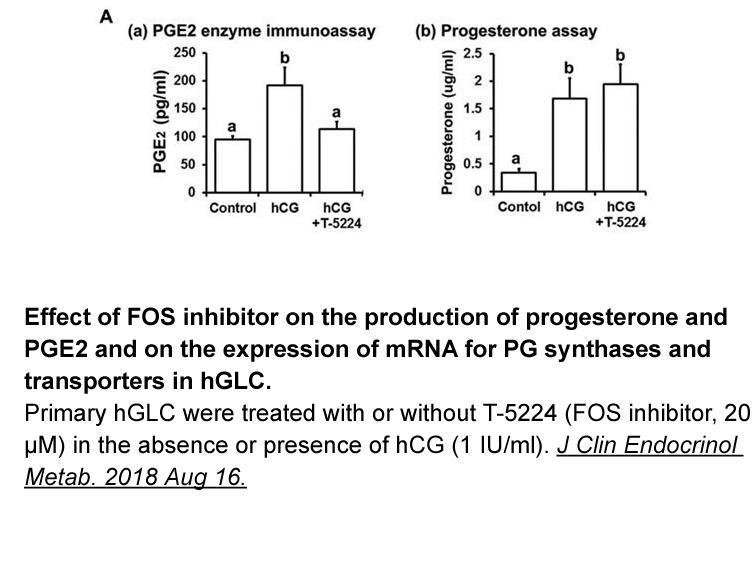
The “90-90-90 treatment target” which aims at diagnosing 90% of HIV-infected individuals, treating 90% of those diagnosed and achieve viral suppression for 90% of treated individuals, is a key strategy to achieve one of the sustainable development goals (SDG) of ending AIDS as a public health threat
-
Adenosine triphosphatase ATP is a signaling
2022-05-17
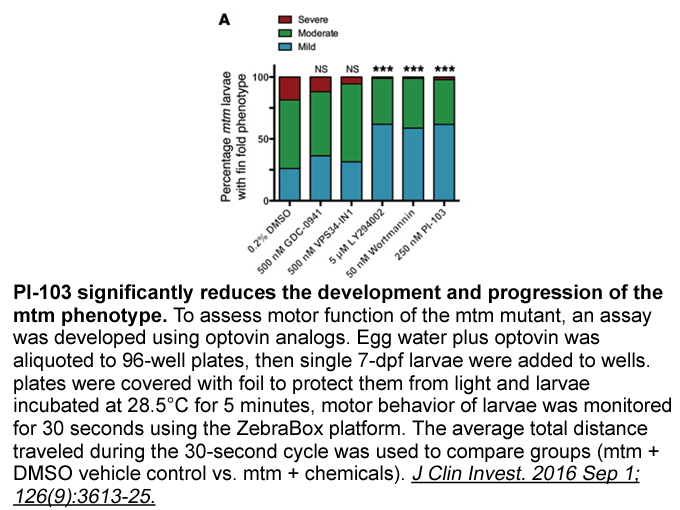
Adenosine triphosphatase (ATP) is a signaling molecule in acute pain and chronic pain(Burnstock, 2009, Burnstock, 2013, Burnstock, 2014, Chizh and Illes, 2001). It is also known that presynaptic A1 receptors are involved in the inhibition of transmitter release (Vizi and Knoll, 1976). Extracellular
-
This data is in accordance with
2022-05-16
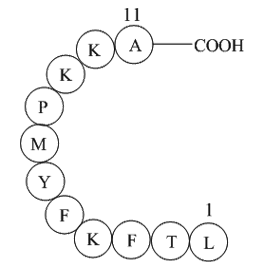
This data is in accordance with our recent results on the influence of cholesterol-depleting agent methyl-β-cyclodextrin on platelets (Borisova et al., 2011a). Dissipation of the proton electrochemical gradient of secretory granules by methyl-β-cyclodextrin did not evoke the release of endogenous gl
-
In addition to the increase of extracellular glutamate ICH
2022-05-16
In addition to the increase of extracellular glutamate, ICH can also increase the levels of reactive oxygen species (ROS) and oxidative stress. Although the products of red blood cell lysis and plasma components, as well as the excitotoxic effect of glutamate have been to increase oxidative damage (
-
After ischemia expression of transcription factors including
2022-05-16
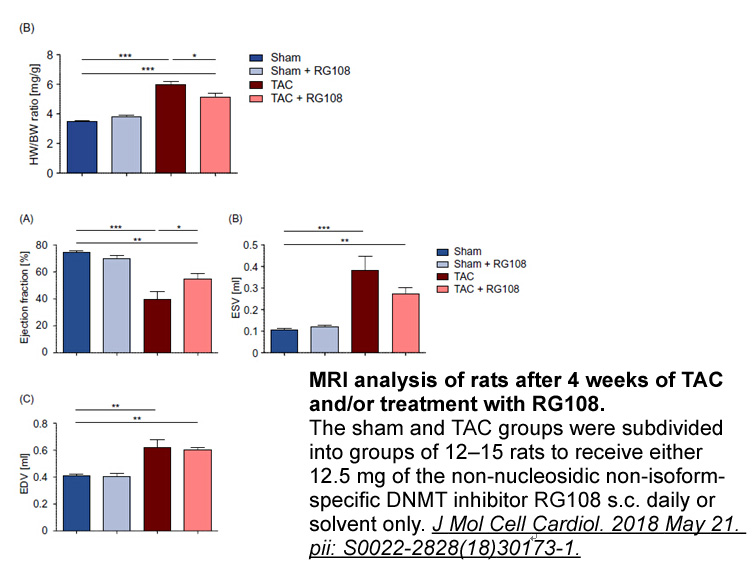
After ischemia, expression of transcription factors, including products of immediate early genes, stress proteins and neurotrophic factors are also altered in CA1 neurons78, 79. These proteins are potential candidates for downregulating of GluR2 expression by reducing mRNA transcription or stability
8207 records 479/548 page Previous Next First page 上5页 476477478479480 下5页 Last page