Archives
- 2026-08
- 2026-07
- 2026-06
- 2026-05
- 2026-04
- 2026-03
- 2026-02
- 2026-01
- 2025-12
- 2025-11
- 2025-10
- 2025-09
- 2025-04
- 2025-03
- 2025-02
- 2025-01
- 2024-12
- 2024-11
- 2024-10
- 2024-09
- 2024-08
- 2024-07
- 2024-06
- 2024-05
- 2024-04
- 2024-03
- 2024-02
- 2024-01
- 2023-12
- 2023-11
- 2023-10
- 2023-09
- 2023-08
- 2023-07
- 2023-06
- 2023-05
- 2023-04
- 2023-03
- 2023-02
- 2023-01
- 2022-12
- 2022-11
- 2022-10
- 2022-09
- 2022-08
- 2022-07
- 2022-06
- 2022-05
- 2022-04
- 2022-03
- 2022-02
- 2022-01
- 2021-12
- 2021-11
- 2021-10
- 2021-09
- 2021-08
- 2021-07
- 2021-06
- 2021-05
- 2021-04
- 2021-03
- 2021-02
- 2021-01
- 2020-12
- 2020-11
- 2020-10
- 2020-09
- 2020-08
- 2020-07
- 2020-06
- 2020-05
- 2020-04
- 2020-03
- 2020-02
- 2020-01
- 2019-12
- 2019-11
- 2019-10
- 2019-09
- 2019-08
- 2019-07
- 2019-06
- 2019-05
- 2019-04
- 2018-11
- 2018-10
- 2018-07
-
br Conflict s of interest br
2025-02-12
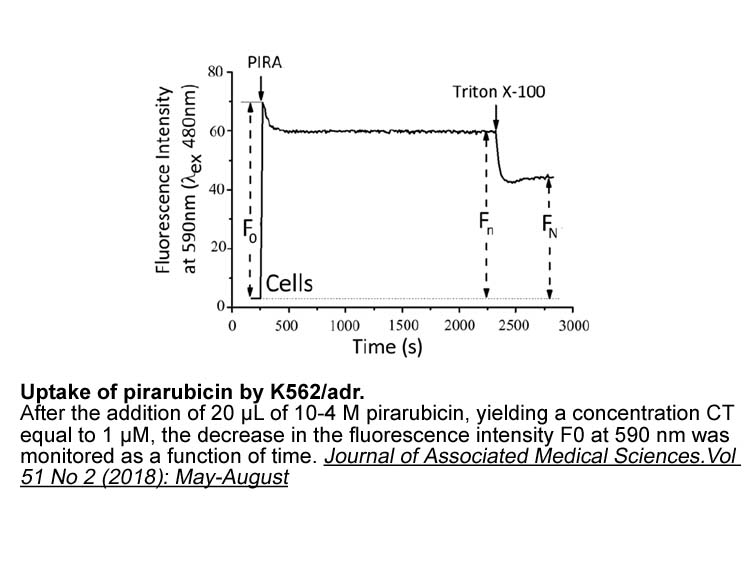
Conflict(s) of interest Retinopathy of prematurity (ROP) is a leading cause of childhood blindness Retinopathy of prematurity (ROP) is a disease of premature infants which disrupts normal retinal vascularization (Fleck and McIntosh, 2008). With increased survival of extremely premature infants
-
In conclusion two novel series of
2025-02-12
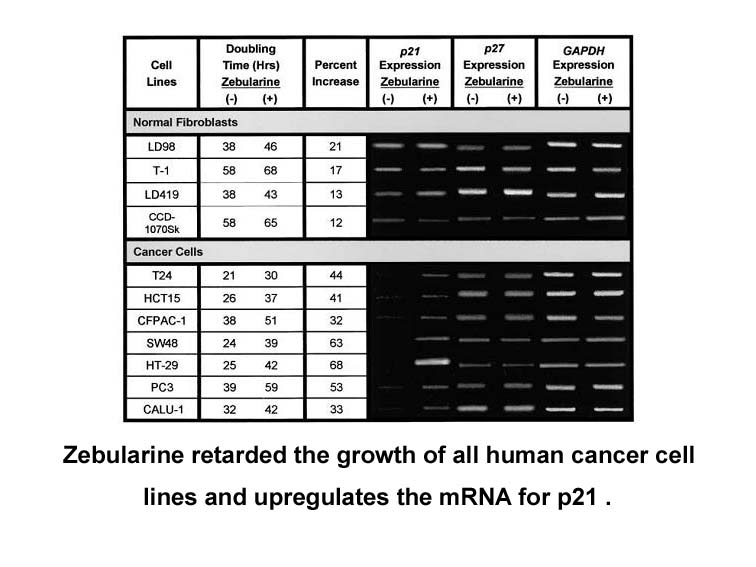
In conclusion, two novel series of furo[2,3-]pyrimidin4-amines and 7-pyrrolo[2,3-]pyrimidin-4-amines which exhibit potent in vitro inhibitor activity against ACK1 have been identified and evaluated. 1,3-Dithiolane-substituted pyrrolopyrimidine displays excellent ACK1 cellular inhibition, good kinas
-
Regarding the HT B receptors they act
2025-02-11
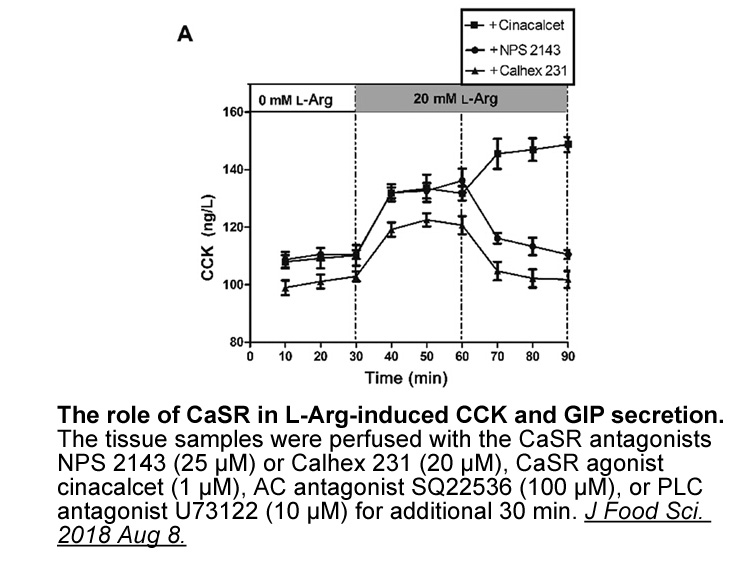
Regarding the 5-HT1B receptors, they act as terminal receptors and are involved in the presynaptic regulation of the release of 5-HT. But at spinal level these receptors are principally situated post-synaptically (Sari, 2004). The ability of autoreceptors to regulate extracellular levels of 5-HT dur
-
The ATX LPA signaling axis has
2025-02-11
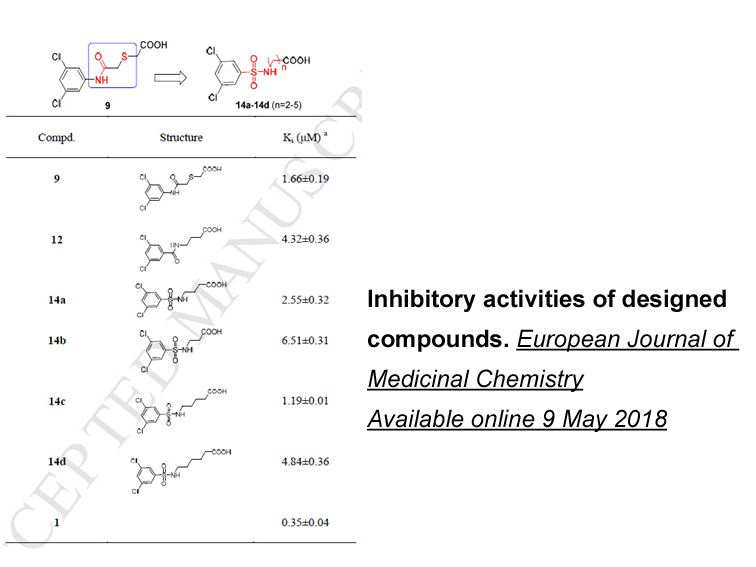
The ATX–LPA signaling “axis” [5] has been implicated in a perplexing variety of physiological and pathophysiological processes, including vascular and neural development [5], [26], [27], [28], [29], tumor progression and metastasis [30], [31], lymphocyte trafficking [22], bone development [32], neur
-
br Conclusion br Acknowledgments This research has been supp
2025-02-11

Conclusion Acknowledgments This research has been supported by the Ratchadaphiseksomphot Endowment Fund 2013 of Chulalongkorn University (CU-56-341-AS) and the Ratchadapiseksompotch Fund (RA55/22), Faculty of Medicine, Chulalongkorn University. The authors commemorate the 100th Anniversary of
-
Crohn s disease an inflammatory bowel
2025-02-11
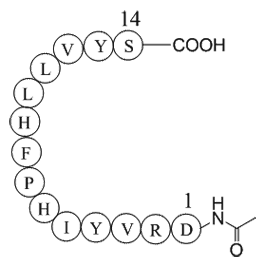
Crohn’s disease, an inflammatory bowel disease that affects the gastrointestinal (GI) tract, is characterized by a polymorphism in ULK1 autophagy gene due to the presence of single nucleotide polymorphisms (SNPs). Thus, the autophagic process is impaired during the disease. The mutations in the leuc
-
It has been demonstrated that the
2025-02-11
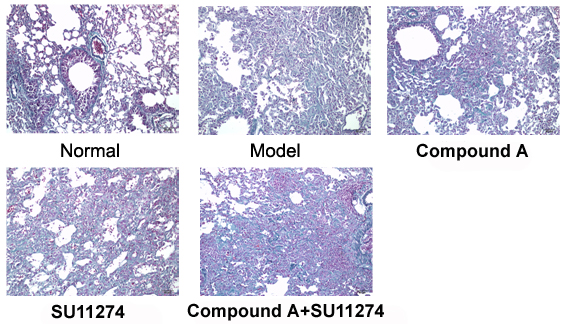
It has been demonstrated that the hallmarks of pulmonary fibrosis are a loss of endothelial function and subsequent activation of the immune system, which is considered as a direct outcome affected by intracellular pro-inflammatory responses [26]. Thus, inhibition of early inflammation could be an i
-
Over the years measures of total antioxidant status TAS
2025-02-11
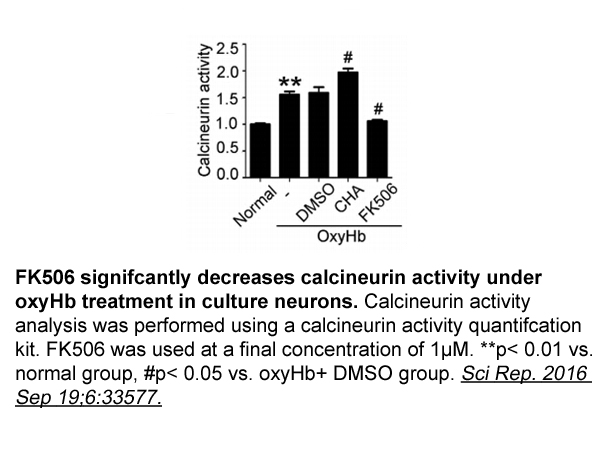
Over the years, measures of total antioxidant status (TAS) have been developed to capture the collective effect of antioxidant defense capacity, including enzymatic and nonenzymatic systems (Fraga et al., 2014, Franco et al., 2007). Multiple antioxidant enzymes, as well as antioxidant vitamins and m
-
Of the infants in the study there were twin
2025-02-11
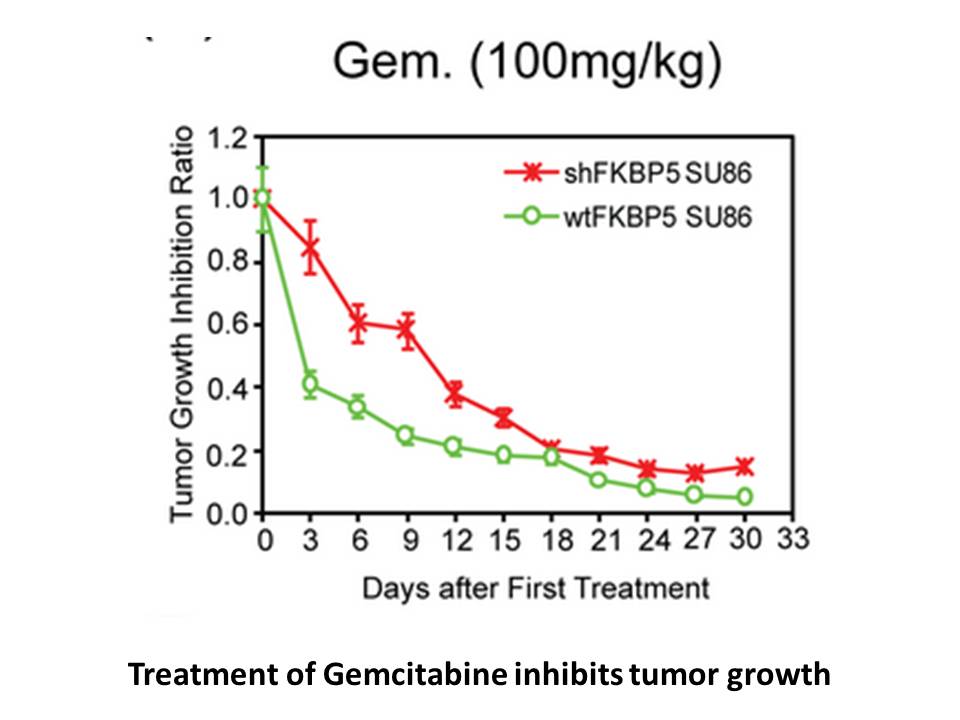
Of the 580 infants in the study, there were 106 twin deliveries and 10 triplet deliveries. There was no difference in prenatal antibiotic exposure between multiple and singleton births. Nevertheless, analysis of maternal antibiotic use was based on the 309 individual mothers who were provided 10-Hyd
-
Some of previous immunohistochemical studies have compared
2025-02-11
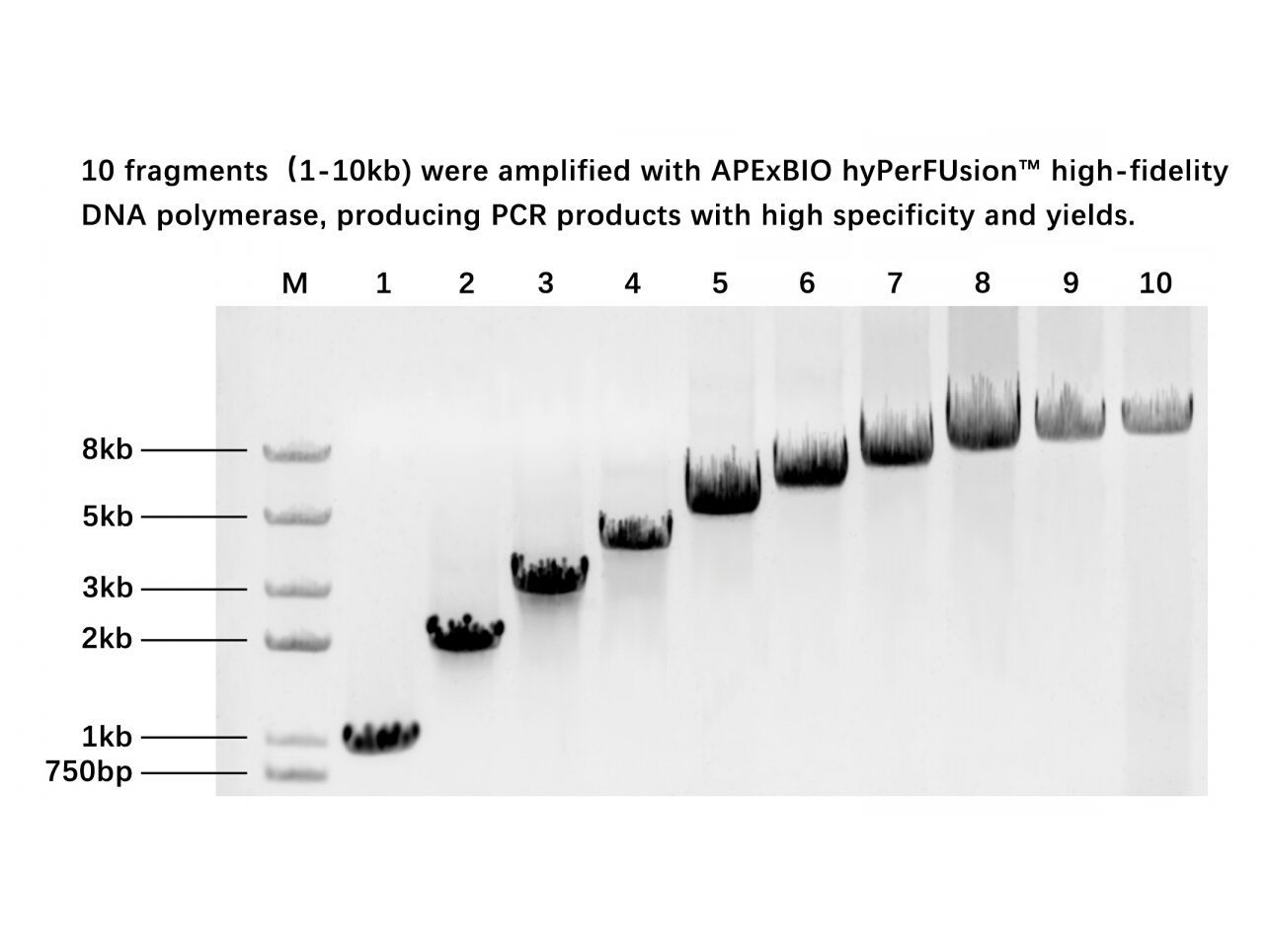
Some of previous immunohistochemical studies have compared the levels of AR expression in low-grade versus high-grade and/or non-muscle-invasive versus muscle-invasive tumors. There was a significant or marginal decrease (Boorjian et al., 2004, Miyamoto et al., 2012b, Rau et al., 2011, Shyr et al.,
-
Our previous study showed that TRIM could target TSC TSC
2025-02-11
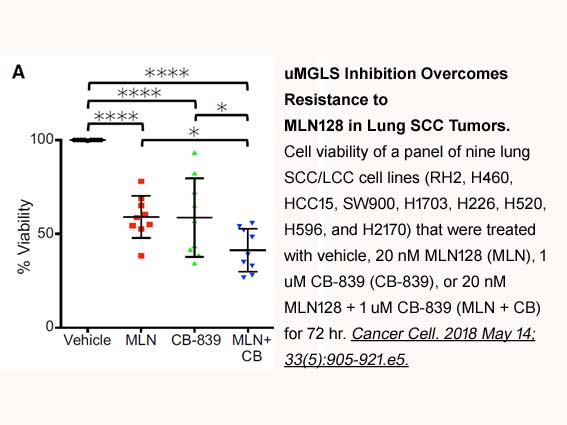
Our previous study showed that TRIM31 could target TSC1-TSC2 complex and contributed to the clinical cancer progression [6]. In this study, we showed that TRIM31 could directly target p53 for ubiquitous degradation and further mediated anoikis-resistance of HCC cells. To further clarify the role of
-
The first identified auxiliary subunit stargazin is
2025-02-11
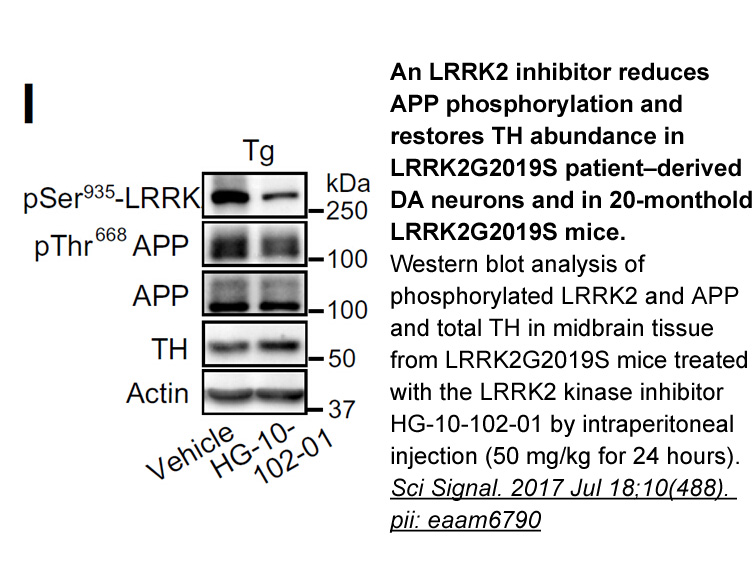
The first identified auxiliary subunit, stargazin, is essential for AMPAR function in cerebellar granule neurons (Hashimoto et al., 1999). Subsequently, a family of six transmembrane AMPAR regulatory proteins (TARPs) were defined that modify channel trafficking, gating, and pharmacology (Kato and Br
-
AdipoR and AdipoR have been
2025-02-10
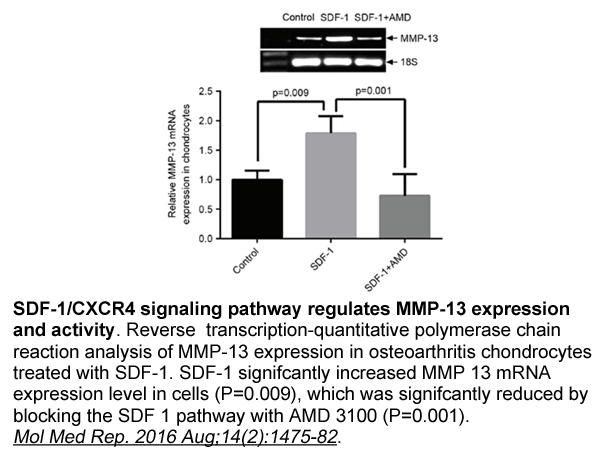
AdipoR1 and AdipoR2 have been reported to be present in almost all type of tissues and low Patchouli alcohol levels have been observed in white adipose tissue (Inukai et al., 2005). These receptors have been observed to become deregulated with the onset of obesity, resulting in a reduced level of A
-
The CK catalyzes the reversible conversion of creatine into
2025-02-10
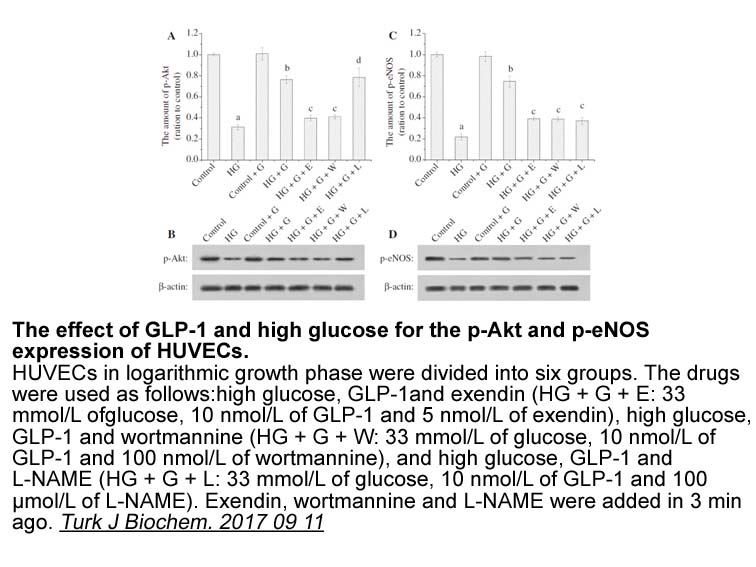
The CK catalyzes the reversible conversion of creatine into creatine phosphate using ATP and thereby releasing ADP. The CK isoenzymes, specifically localized in places where there is a demand and production of energy, are linked to a creatine/creatine phosphate shuttle (Wallimann et al., 1998). This
-
NSC 14613 AMPK modulates changes in lipid metabolism via the
2025-02-10
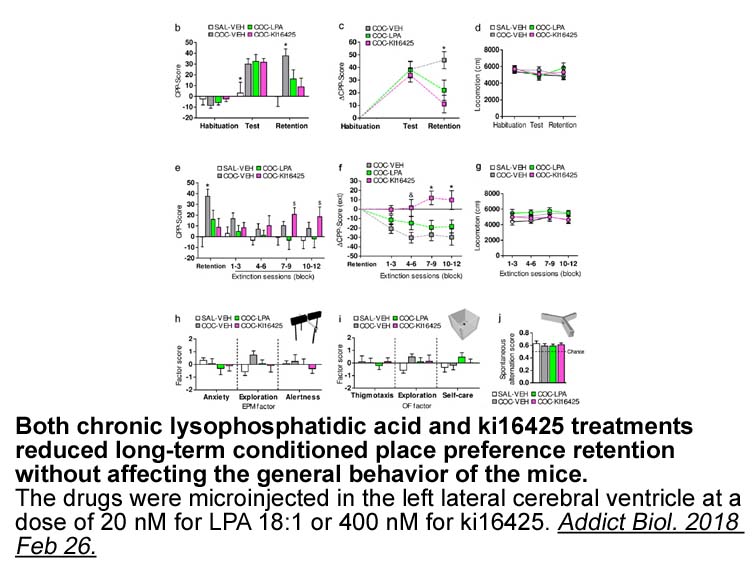
AMPK modulates changes in lipid metabolism via the regulation of fatty NSC 14613 oxidation and cholesterol synthesis in the liver. The key enzymes involved include ACC and HMGCR [27,28]. Both participate in the rate-limiting steps of fatty acids and cholesterol synthesis and are inactivated on phos
16442 records 46/1097 page Previous Next First page 上5页 4647484950 下5页 Last page