Archives
- 2026-10
- 2026-09
- 2026-08
- 2026-07
- 2026-06
- 2026-05
- 2026-04
- 2026-03
- 2026-02
- 2026-01
- 2025-12
- 2025-11
- 2025-10
- 2025-09
- 2025-04
- 2025-03
- 2025-02
- 2025-01
- 2024-12
- 2024-11
- 2024-10
- 2024-09
- 2024-08
- 2024-07
- 2024-06
- 2024-05
- 2024-04
- 2024-03
- 2024-02
- 2024-01
- 2023-12
- 2023-11
- 2023-10
- 2023-09
- 2023-08
- 2023-07
- 2023-06
- 2023-05
- 2023-04
- 2023-03
- 2023-02
- 2023-01
- 2022-12
- 2022-11
- 2022-10
- 2022-09
- 2022-08
- 2022-07
- 2022-06
- 2022-05
- 2022-04
- 2022-03
- 2022-02
- 2022-01
-
br Neurological development and BCAAs Glutamate is an import
2023-07-20
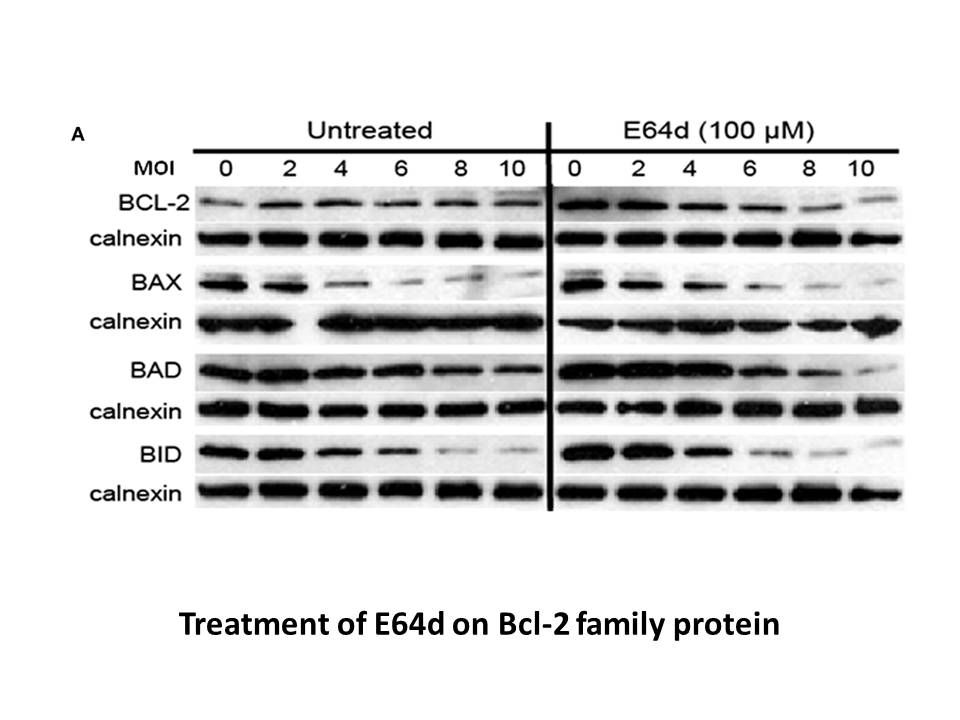
Neurological development and BCAAs Glutamate is an important excitatory neurotransmitter in the brain, and BCAAs (especially leucine) function to synthesize glutamate in astrocytes around neurons, since leucine enters the brain from the blood more rapidly than other AZD-3463 and provides ∼25% of
-
br Discussion To our knowledge this is
2023-07-20
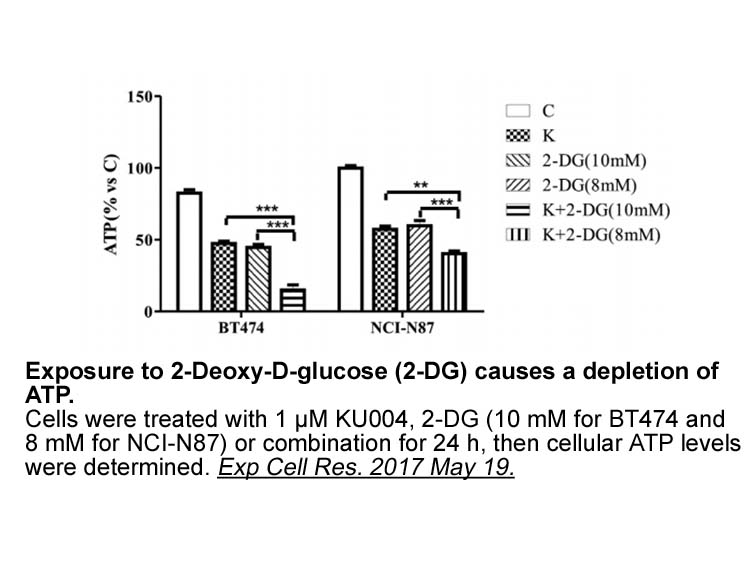
Discussion To our knowledge, this is the first case report that demonstrates the presence of a novel T1151K ALK mutation in a patient with disease progression after crizotinib and then ceritinib. As early as 2011, Zhang et al. identified T1151K among other resistance mutations to crizotinib in Ba
-
Additionally we were prompted to validate the protective eff
2023-07-20
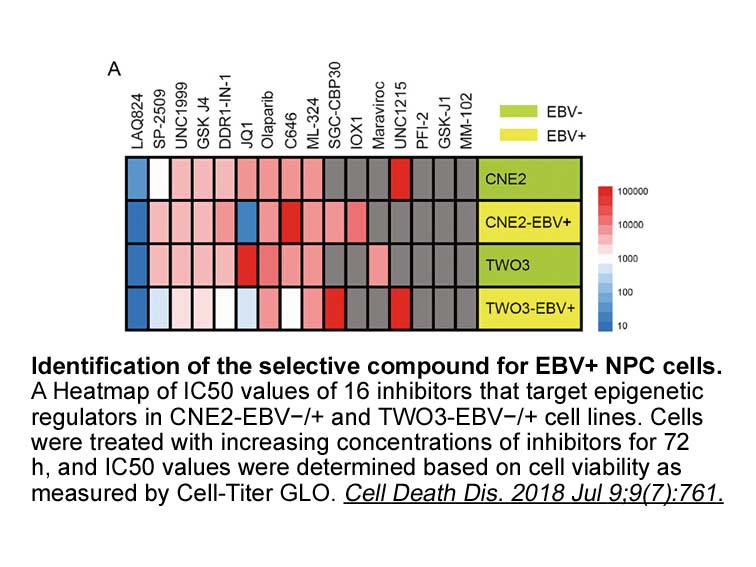
Additionally, we were prompted to validate the protective effect of ALDH3A1 by utilizing a human corneal model. Cornea is located in the anterior segment of the eye and thus, is constantly exposed to various environmental stressors that affect the cellular oxidative balance and consequently lead to
-
br Conflict of interest br Introduction Colorectal
2023-07-20
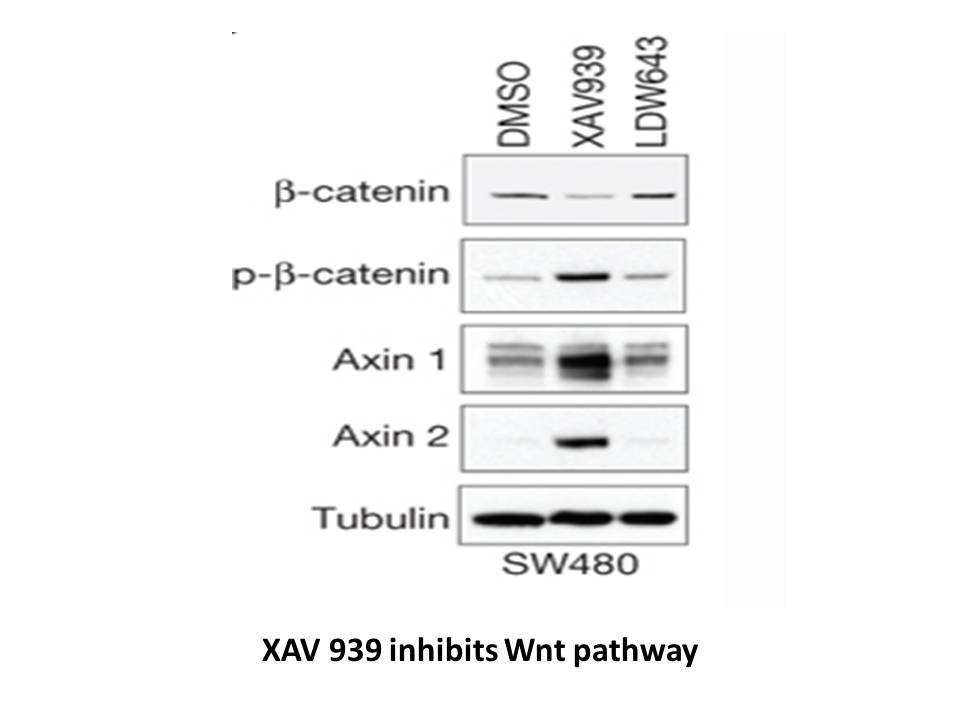
Conflict of interest Introduction Colorectal cancer (CRC) is one of the major cause of tumor-related morbidity and mortality worldwide. Poor prognosis and consequences of its metastatic spread make CRC the second most common cause of cancer-related deaths in western countries [1]. Apart from o
-
In terms of the full length proteins it was noted
2023-07-19
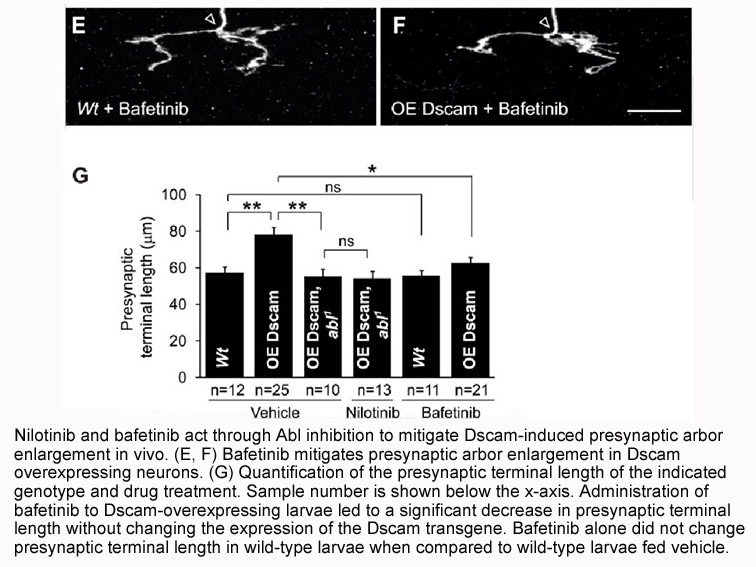
In terms of the full-length proteins, it was noted early on that ACs have two cellular localizations: as integral proteins of the plasma membrane and as soluble proteins in the cytosol. Based on the distribution in mammalian sequences, it was initially proposed that subclass IIIa contains only membr
-
Despite these efforts to prevent oxidative
2023-07-19
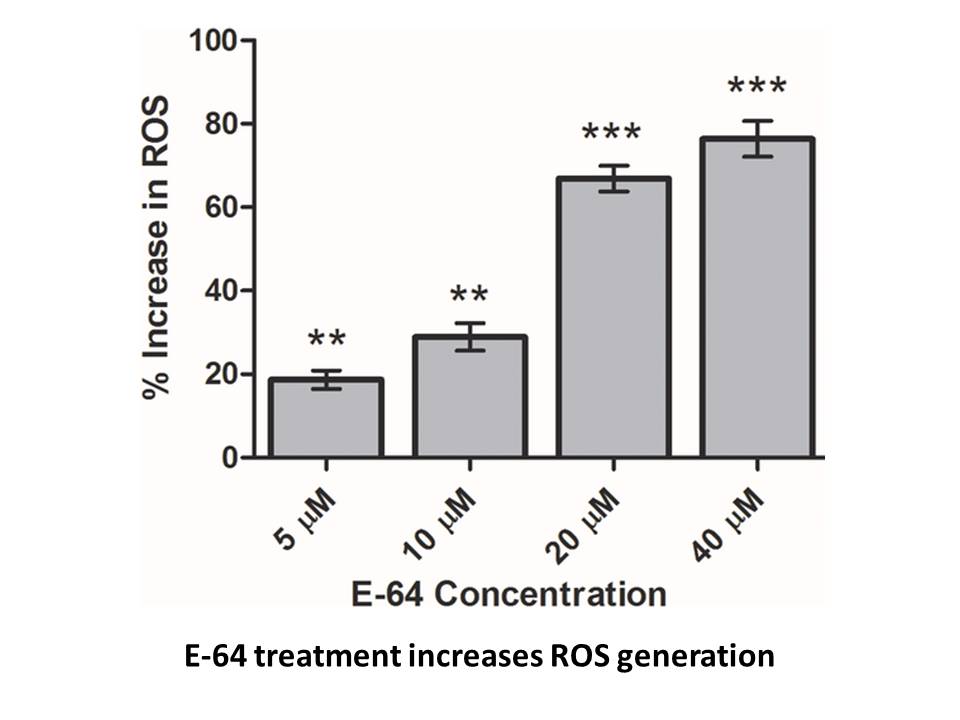
Despite these efforts to prevent oxidative metabolic degradation, and showed only marginal improvements in metabolic stability and still exhibited high plasma clearances as shown in . High molecular weight as well as relative high log values could be contributing factors to the poor PK profiles of
-
To date more than different mutations in the gene
2023-07-19
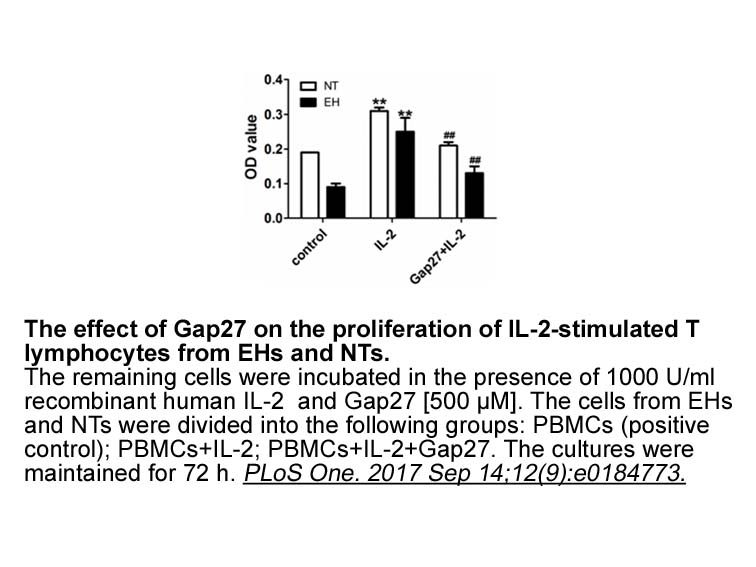
To date, more than 50 different mutations in the gene have been described (Human Gene Mutation Database at the Institute of Medical Genetics in Cardiff: SRD5A2 Gene: http://www.hgmd.cf.ac.uk). Most of them are missense mutations but premature stop codons and deletions leading to non-functional or su
-
Arotinoid Acid Princen Panier specifically address the issue
2023-07-19
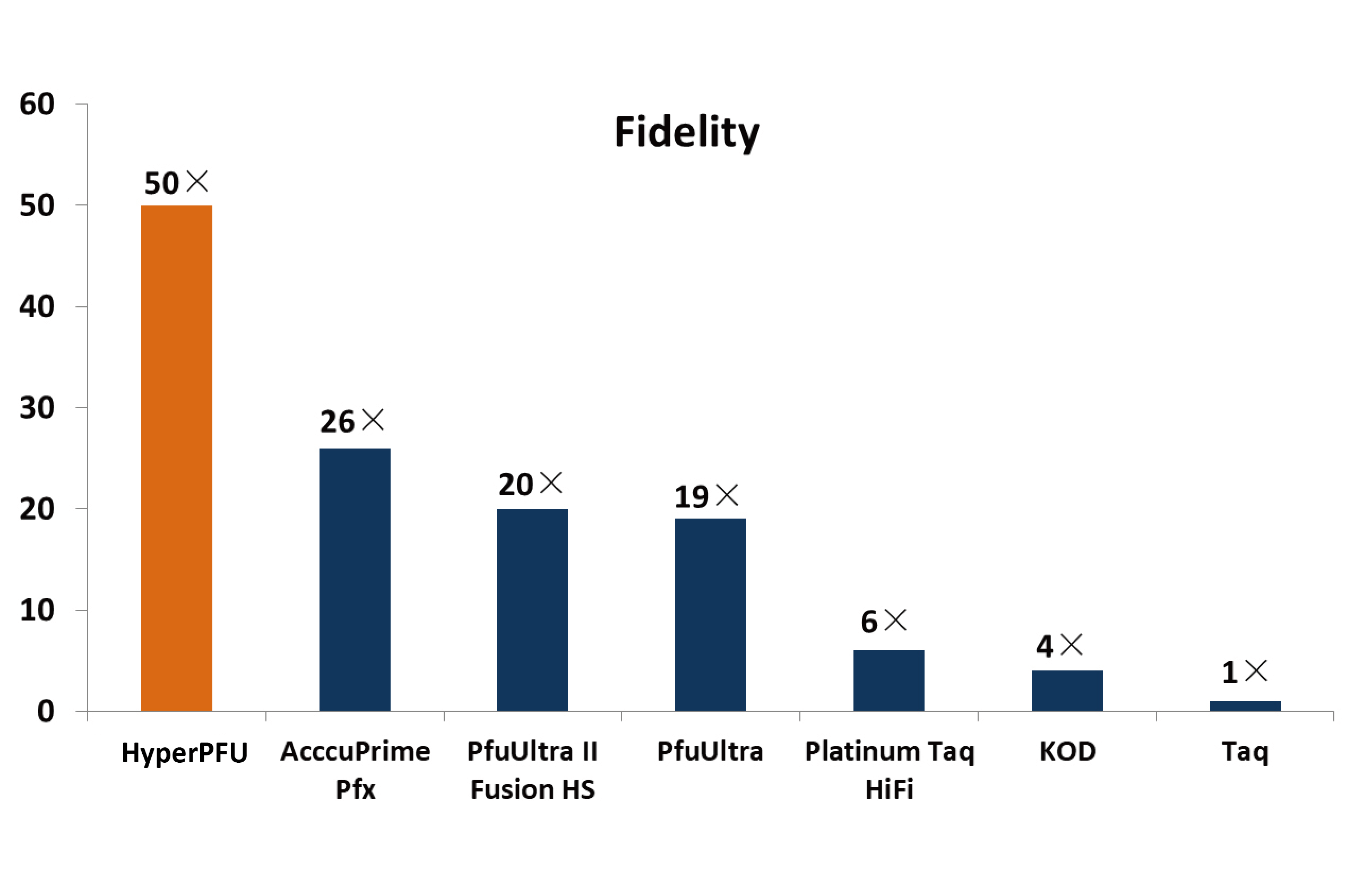
Princen, 2012, Panier, 2013 specifically address the issue of ACE using the commercial database AMADEUS. However, both studies focus only on corporate leverage and the ACE in Belgium. Due to the lack of a counterfactual, these authors consider firms in other European countries, e.g., France, as a co
-
The earliest appearance of tumors occurred at months and
2023-07-19
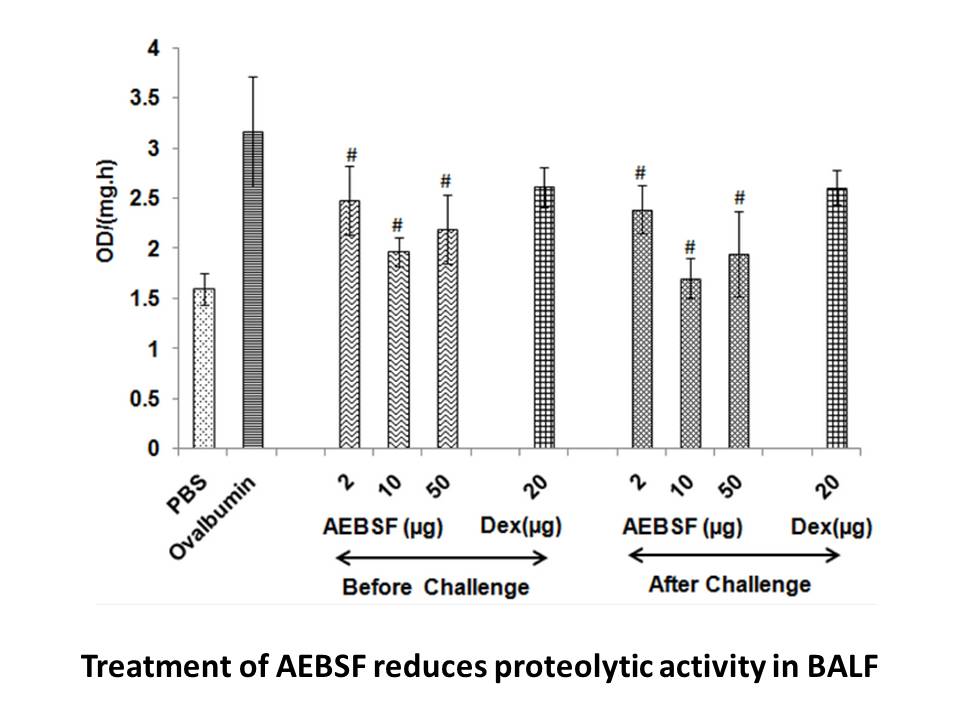
The earliest appearance of tumors occurred at 12 months and the latest at 24 months, with an average onset at 18 months (Fig. 1B). This would be roughly equivalent to cancer presenting in a patient between 60 and 70 years of age. In transgenic animals, autotaxin herpes simplex virus type 1 was relat
-
In PMCA Mg favors the conversion E P
2023-07-19
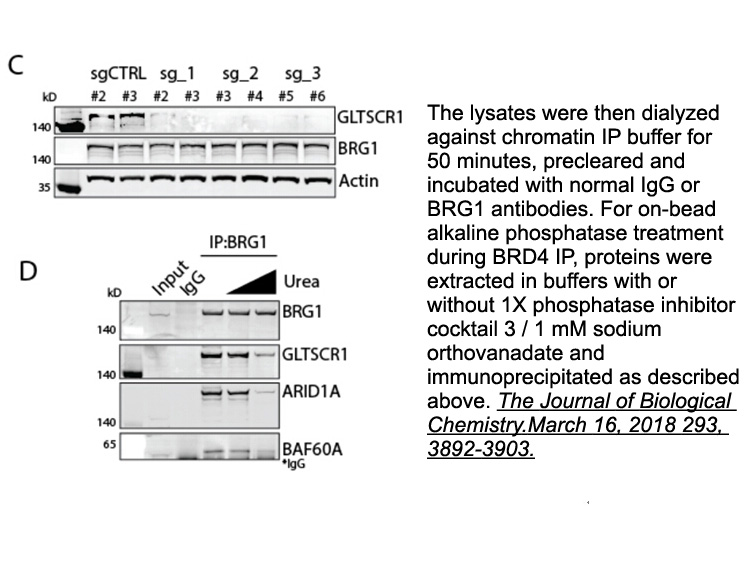
In PMCA, Mg2+ favors the conversion E1P → E2P [13] and, as in SERCA [11], it accelerates the phosphorylation displacing the E1–E2 equilibrium towards E1. In SERCA, Sørensen et al. [41], proposed that ATP reacts by an associative mechanism mediated by two Mg2+ ions to form an aspartyl-phosphorylated
-
Introduction An association of elevated branched chain amino
2023-07-19
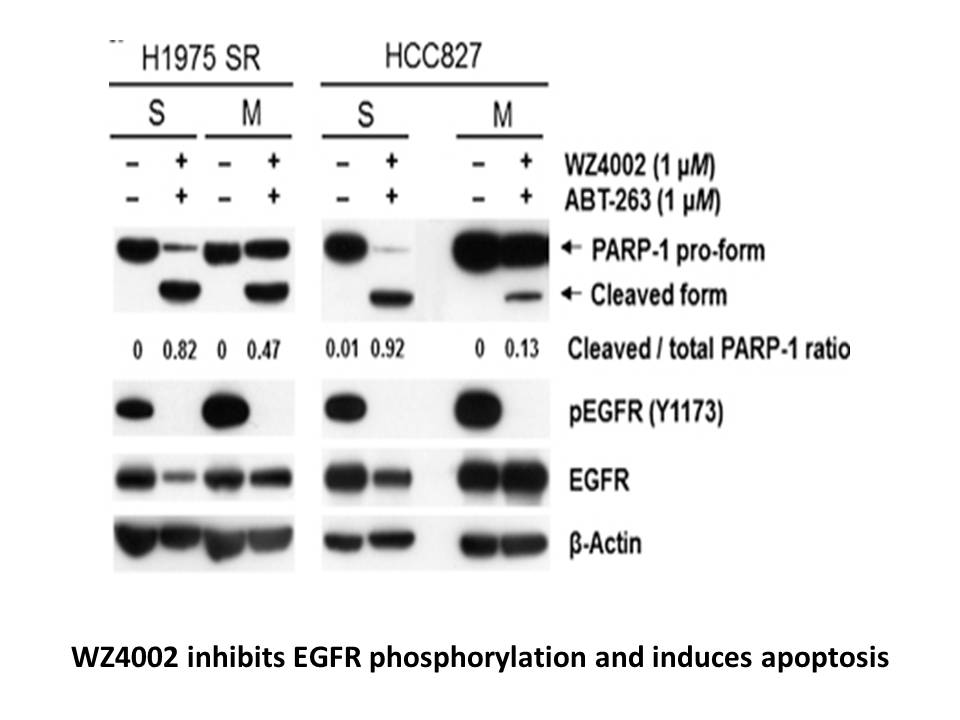
Introduction An association of elevated branched-chain EHop-016 (BCAA—Leu, Val, Ile) with obesity and insulin resistance was first reported nearly 50 years ago (Felig et al., 1969). With the advent of metabolomics technologies, it has since become apparent that the association of BCAA and related
-
We also showed that steatosis
2023-07-19
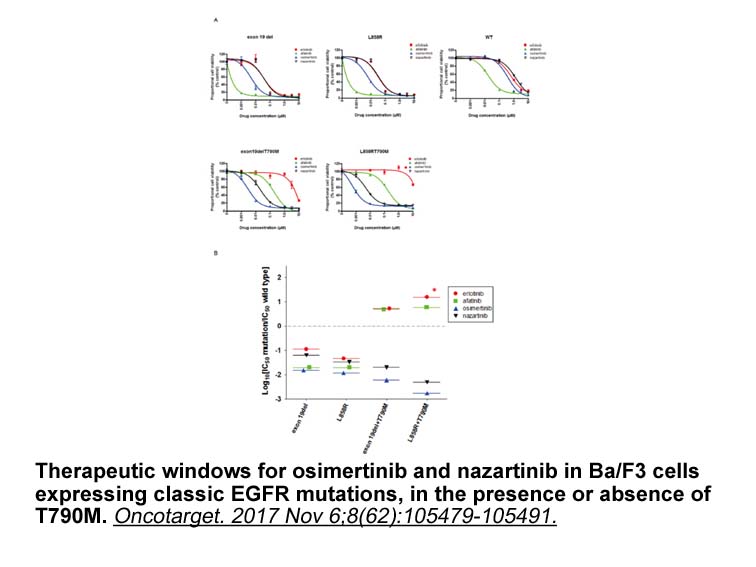
We also showed that steatosis induced an additional increase of ASK1 activation that was associated to the exacerbation of hepatocyte and liver damage and was unrelated to ER stress. Indeed, several settings, also different to ER stress, can induce ASK1 activation and many of them involve oxidative
-
br Experimental procedures br Results br Discussion Although
2023-07-19
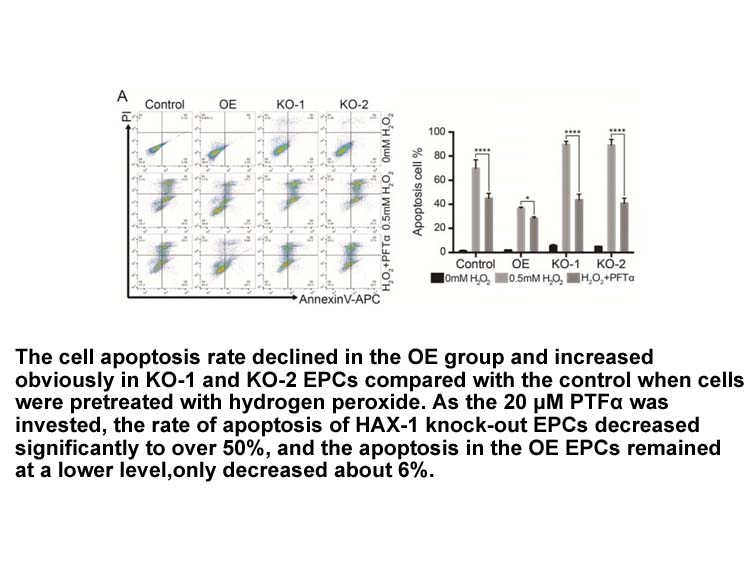
Experimental procedures Results Discussion Although previous studies have indicated that astrocyte aromatase plays a role in nociceptive processes (O'Brien et al., 2015, Smeester et al., 2016), the mechanisms responsible for the regulation of aromatase and its involvement in nociception rem
-
Phosphatase Inhibitor Cocktail 2 (100X in ddH2O) br Acknowle
2023-07-19
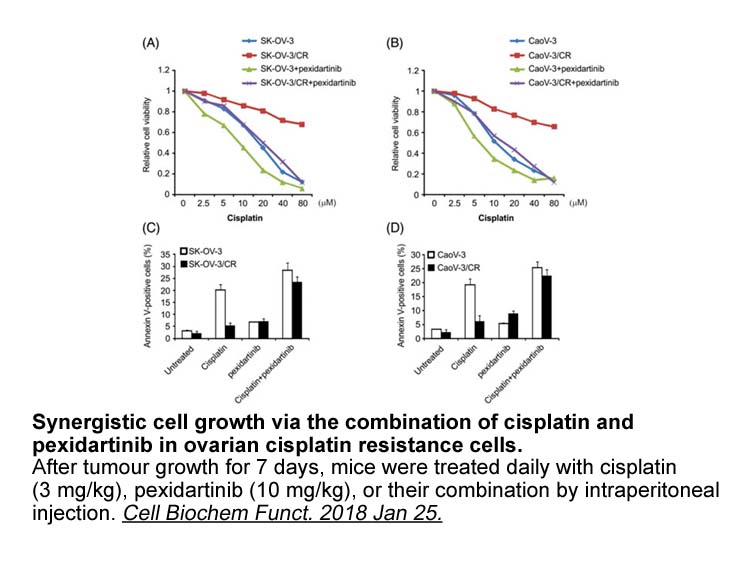
Acknowledgements This work was supported by the Victorian Government Operational Infrastructure Support Program. KAB is supported by the Mavis Robertson Fellowship from the National Breast Cancer Foundation (NBCF; ECF-16-004), by an NBCF Novel Concept Award (NC-14-011), and by NHMRC project grant
-
br Declaration of interest br Funding br Introduction The
2023-07-19
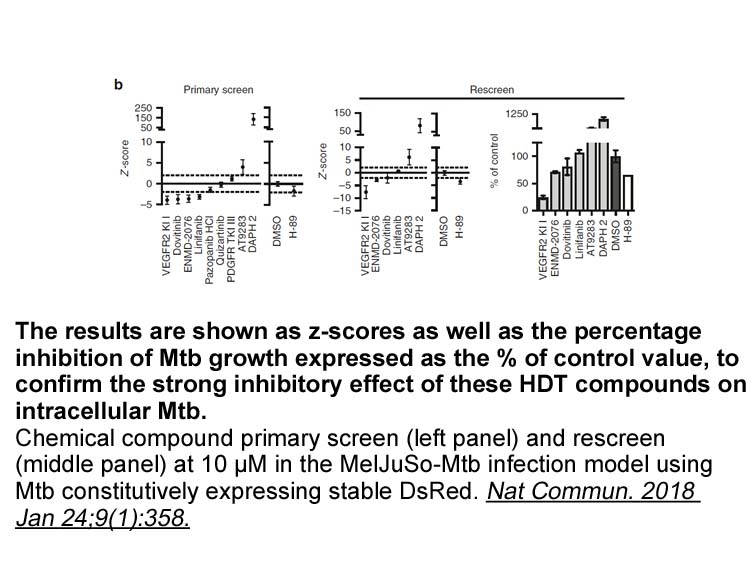
Declaration of interest Funding Introduction The endocrine disruptor bisphenol A (BPA) is a high-production chemical used in several consumer products, including polycarbonate bottles, epoxy resins, dental sealants, and thermal paper receipts (Geens et al., 2012). Importantly, BPA monomers
8209 records 352/548 page Previous Next First page 上5页 351352353354355 下5页 Last page